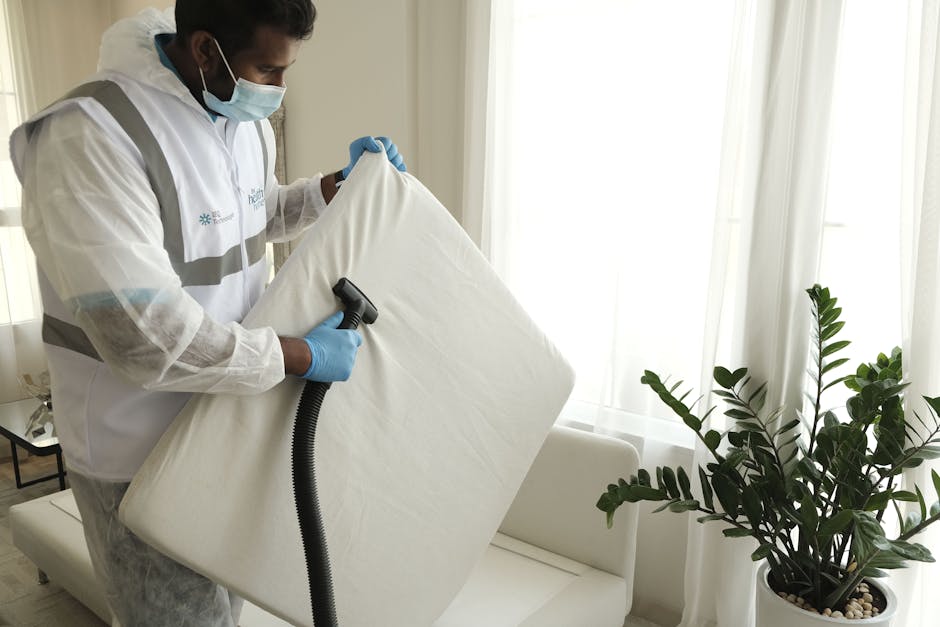
Upholstery cleaning Wealdstone homes HA3
Posted on 03/05/2026
Upholstery cleaning Wealdstone homes HA3: a practical guide for fresher, longer-lasting furniture
If your sofa has started to look a bit tired, or that favourite armchair now carries the ghosts of tea, pets, school runs, and Sunday snacks, you are not alone. Upholstery cleaning Wealdstone homes HA3 is one of those jobs people put off until the marks become impossible to ignore. Truth be told, most upholstered furniture can hold onto far more than you think: dust, body oils, allergens, crumbs, and everyday grime that slowly dull the fabric.
This guide walks through what upholstery cleaning involves, why it matters in Wealdstone homes, how the process works, and what to expect from a professional clean. You will also find practical tips, common mistakes to avoid, a comparison of methods, and a checklist you can actually use before booking. If you want cleaner furniture without risking shrinkage, colour loss, or a half-done job, you are in the right place.
For readers who want a broader view of local cleaning services, the main services overview is a useful place to start, and the dedicated upholstery cleaning service in Harrow page gives a simple snapshot of what is usually included.
Why Upholstery cleaning Wealdstone homes HA3 Matters
Upholstery is easy to overlook because it does not shout at you like a stained carpet or a muddy hallway. But sofas, dining chairs, ottomans, and fabric bed frames take a daily beating. In a busy Wealdstone home, especially one with children, pets, visitors, or a compact layout where furniture gets heavy use, dirt settles in quietly and builds up over time.
There is also a comfort factor. A clean sofa feels better to sit on. It smells fresher. The room looks brighter. That small difference can change how the whole home feels on a grey afternoon, especially in a London property where natural light can already be a bit shy. And yes, it is a real thing: once upholstery has been properly cleaned, people often notice the room looks more "finished" without having changed anything else.
Beyond appearance, there is hygiene. Fabric can trap dust and tiny particles, and although regular vacuuming helps, it will not remove everything sitting below the surface. For households where someone has sensitivities, a more thorough fabric clean can make day-to-day life more comfortable. Not a miracle cure, no, but a very sensible part of home care.
For local context, many homeowners who are already thinking about wider property upkeep also read practical home and area guides such as getting to know Harrow or the broader article on quality of life in Harrow, which helps frame why well-kept interiors matter in everyday living.
How Upholstery cleaning Wealdstone homes HA3 Works
A good upholstery clean is more than spraying fabric and hoping for the best. The process should start with checking the material, identifying stains, and choosing the right method for the item. That sounds obvious, but it is exactly where many rushed jobs go wrong.
Professionals normally begin with inspection. They look at fibre type, wear patterns, colourfastness, and any warning labels. This matters because cotton, polyester, velvet, linen blends, and synthetic microfibre do not all behave the same way. Some can handle more moisture; others need a gentler approach. If you have ever seen a sofa dry with water tide marks, you already know why that first step matters.
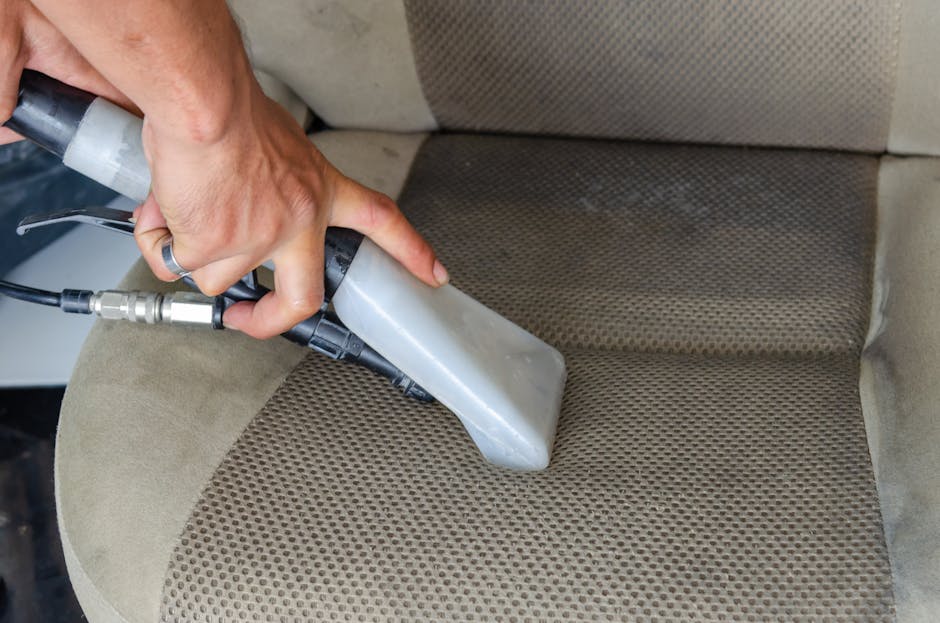
After inspection, the technician usually removes loose dust and debris with vacuuming or dry extraction. Then comes pre-treatment, where stains and heavily soiled areas are treated with suitable solutions. Depending on the fabric, the actual cleaning may be hot water extraction, low-moisture cleaning, foam-based cleaning, or a more delicate dry method. The final stage is controlled drying and a last check for any missed spots.
At home, the difference between a careful clean and a careless one can be stark. A careful clean respects the fabric. A careless one might get the stain out and leave a much bigger headache behind. To be fair, that is not the kind of surprise anyone wants on a Friday afternoon.
What a proper assessment should cover
- Fabric type and cleaning code, where available
- Age and condition of the upholstery
- Visible stains, odours, and high-traffic areas
- Risk of colour bleeding or pile distortion
- Drying space and ventilation in the room
Key Benefits and Practical Advantages
The benefits of upholstery cleaning are not just cosmetic, although the visual improvement is usually the first thing people notice. There is also value in maintenance, comfort, and better long-term use of the furniture you already own.
Here is the practical side:
- Fresher appearance: colours look clearer and fabric texture becomes more defined again.
- Better everyday comfort: clean upholstery feels nicer to use, especially on sofas used daily.
- Helps reduce built-up dirt: regular cleaning removes grime that vacuuming alone will not shift.
- Extends furniture life: removing abrasive dirt can help slow visible wear.
- Improves the feel of the room: a cleaner sofa often makes the whole home feel tidier.
- Useful before guests or listings: ideal when you want the home to look cared for.
If you are preparing a home for sale, let's face it, people notice sofas. They may not mention it, but they absolutely notice whether a living room feels fresh or slightly neglected. That is one reason some homeowners browsing local property content, such as buying real estate in Harrow or the Harrow real estate investor's handbook, also think about presentation inside the home, not just the floor plan.
Expert summary: the best upholstery clean is the one that removes dirt without stressing the fabric. Fast results matter, but fabric safety matters more.
Who This Is For and When It Makes Sense
This service is a strong fit for quite a few situations. If your furniture gets heavy use, if you have pets, if children treat the sofa like a snack bar, or if you simply want the living room to feel cleaner, it makes sense. That said, timing does matter.
It is especially worth considering when:
- there are visible stains that normal spot-cleaning has not removed
- the furniture has a lingering smell, even after airing the room
- you are moving in or moving out and want the property to feel well cared for
- you are preparing for guests, a family event, or a special occasion
- the fabric looks flat, dull, or greasy around armrests and headrests
- someone in the home is sensitive to dust build-up
There is a common mistake here: people wait until a sofa looks "bad enough" before acting. By that point, some stains have already set, and some odours have had time to cling. A cleaner called earlier can often do more with less effort. That is the simple version.
For households who use cleaning services more broadly, it may also help to review related support pages such as domestic cleaning in Harrow or house cleaning support, especially if upholstery is just one part of a bigger refresh.
Step-by-Step Guidance
If you want to understand what should happen during a proper upholstery clean, here is a straightforward step-by-step view. This is useful whether you are booking the work or simply checking whether a provider is being thorough.
- Inspect the furniture. The cleaner should identify the fabric, condition, and any vulnerable areas before starting.
- Test a small hidden section. This helps check how the fabric reacts to the chosen method or solution.
- Vacuum thoroughly. Loose dust, crumbs, hair, and grit should be removed before moisture is introduced.
- Treat stains and high-use areas. Armrests, seat cushions, and headrest zones usually need extra attention.
- Clean using the safest suitable method. This may be a wetter or drier process depending on the material.
- Extract moisture carefully. Good extraction helps avoid over-wetting and speeds up drying.
- Check the result and groom the fabric where appropriate. Some materials benefit from pile brushing or a final inspection.
- Allow proper drying time. Ventilation matters. Rushing this part can undo the good work.
If a provider skips the inspection or starts cleaning before checking the fibre type, that is a small red flag. Not always a disaster, but not ideal either.
A realistic home example
Imagine a cream fabric corner sofa in a Wealdstone family home. It has biscuit crumbs in the cushions, a faint drink mark on one seat, and darker shading where people always sit. A professional approach would treat those areas differently rather than blasting everything with the same solution. That kind of judgement is what gives a better finish.
Expert Tips for Better Results
A few practical choices can make a big difference to the final result. These are the little things people often learn the hard way, after a sofa has already been cleaned poorly once. Annoying, yes. Common, also yes.
- Vacuum regularly between professional cleans. This stops grit from settling deeper into the fibres.
- Blot spills quickly. Do not rub; rubbing usually pushes the stain further in and roughs up the fabric.
- Keep cushions rotated. It helps wear stay more even and prevents one side from ageing too quickly.
- Use throws or covers in high-risk zones. Ideal if kids or pets claim one section as their own.
- Open windows where possible after cleaning. Airflow helps drying and reduces that "slightly damp fabric" feeling.
- Ask about the drying time before booking. A good plan beats guessing, especially in colder months.
Another worthwhile tip: tell the cleaner about the stain history. If it was coffee, wine, pet accident, makeup, or ink, say so. It saves time and helps them choose the right treatment. Sounds small, but it helps a lot.
For anyone comparing service standards and how a reputable company presents itself, the about us page and the insurance and safety information are both worth a look before booking.
Common Mistakes to Avoid
Upholstery cleaning goes wrong in pretty predictable ways. The good news is that most of them are avoidable with a bit of care.
- Using too much water: this can leave marks, slow drying, and sometimes damage the filling below the fabric.
- Scrubbing stains aggressively: that often distorts fibres and spreads the stain.
- Ignoring fabric labels or care codes: not every material tolerates the same treatment.
- Cleaning only the visible stain: this can create a cleaner patch surrounded by dirt, which looks odd.
- Skipping the drying plan: damp upholstery in a closed room is never a good idea.
- Using generic household products without testing: a stain may disappear, but colour loss can stay.
One slightly uncomfortable truth: sometimes the stain is not the real issue. It is the surrounding wear, old product residue, or general dullness that makes the item look tired. If you clean one tiny patch and ignore the rest, it can actually look worse. Not exactly the result anyone was hoping for.
Tools, Resources and Recommendations
You do not need a room full of specialist kit to care for upholstery, but the right tools do help. For everyday upkeep, a vacuum with an upholstery attachment is still the workhorse. A soft brush can be useful for lint and pet hair, and clean microfibre cloths are better than old tee shirts with mystery stains on them. We have all been there.
Helpful tools for home maintenance
- vacuum cleaner with upholstery nozzle
- soft-bristle brush
- white microfibre cloths
- clean bucket or spray bottle for light maintenance
- fans or open windows for faster drying after cleaning
For deciding whether to book a professional or continue with light maintenance at home, the best recommendation is simple: if the fabric is valuable, delicate, heavily stained, or still smells after basic cleaning, get proper help. If it is a routine freshen-up, gentle upkeep may be enough between visits.
Readers who are comparing services and payment confidence may also find pricing and quotes useful, along with the site's payment and security information. Those pages are practical, not flashy, and that is usually a good sign.
Law, Compliance, Standards, or Best Practice
For upholstery cleaning in UK homes, the main concern is not complex legislation; it is safe, careful, and honest practice. A reputable cleaner should work in a way that protects the customer's property, uses products appropriately, and avoids creating avoidable risk. That includes taking reasonable care with water use, drying, and fabric testing.
From a best-practice perspective, a few principles stand out:
- Clear communication: the customer should know what method will be used and what the likely limitations are.
- Material awareness: different fabrics need different handling, and that should be checked before cleaning begins.
- Safety first: equipment, solutions, and drying conditions should be used responsibly.
- Honest expectations: some stains lighten rather than vanish, and older damage may not fully reverse.
- Traceable service terms: it is sensible for customers to know the service rules before work starts.
If you are reviewing a provider, pages such as terms and conditions, health and safety policy, and complaints procedure help show whether the business takes customer service seriously. That kind of transparency matters. It really does.
Options, Methods, or Comparison Table
Different upholstery fabrics and soil levels call for different methods. The table below gives a simple comparison so you can see the trade-offs at a glance.
| Method | Best for | Advantages | Limitations |
|---|---|---|---|
| Hot water extraction | Many durable fabric sofas and chairs | Deep cleaning, strong soil removal, good for embedded grime | Needs careful moisture control and drying time |
| Low-moisture cleaning | Routine refreshes and faster turnaround | Quicker drying, less water on the fabric | May be less effective on heavy staining |
| Foam or shampoo-style cleaning | General maintenance on suitable fabrics | Can lift surface dirt well, often economical in time | May leave residue if not handled correctly |
| Dry cleaning method | Delicate or moisture-sensitive fabrics | Lower risk of over-wetting | Not always the best choice for deep-set dirt |
So, which is best? It depends on the fabric and condition, not just the stain. That is the answer nobody likes, but it is the truthful one. A good cleaner will recommend the method that suits the furniture, not the one that sounds fastest.
Case Study or Real-World Example
Here is a realistic scenario. A family in a Wealdstone home had a three-seater sofa that had become noticeably dull over a couple of years. It was not filthy. It was just... tired. The seat cushions had darkened slightly, the armrests felt sticky to the touch, and there was a faint smell of takeaway food that had somehow become part of the sofa's personality.
Instead of trying a quick home spray, they arranged a proper upholstery clean. The technician inspected the fabric, tested a hidden section, and treated the darker seat areas separately from the headrests and arms. The result was not a magical new sofa, because that would be nonsense, but it did look cleaner, brighter, and far more inviting. The smell had gone, and the room felt fresher without any other changes.
The real lesson? A careful, methodical clean often makes the biggest difference on furniture that has aged gradually. You do not always need dramatic restoration. Sometimes you just need the fabric to breathe again.
Practical Checklist
Use this checklist before booking an upholstery clean, or before deciding whether a sofa needs professional help.
- Identify the main furniture pieces that need attention
- Check for visible stains, odours, or heavy wear areas
- Look for any care labels or manufacturer instructions
- Decide whether the fabric feels delicate, textured, or moisture-sensitive
- Note any past cleaning attempts or product use
- Clear the room enough for safe access around the furniture
- Ask about drying time and ventilation needs
- Confirm whether stains can be treated individually
- Check service terms, pricing, and payment details
- Make sure the provider understands your priorities: stain removal, freshness, odour reduction, or general maintenance
Quick takeaway: if the furniture is valuable, frequently used, or difficult to replace, err on the side of care. A slower, safer clean is usually the better investment.
Conclusion
Upholstery cleaning Wealdstone homes HA3 is one of those services that quietly improves everyday life. It freshens the room, supports better furniture care, and helps your home feel more looked after without requiring a full makeover. Whether you are dealing with drink marks, pet hair, general dullness, or just that slightly lived-in feeling, the right approach can make a real difference.
The main thing is to choose method over guesswork. Check the fabric, understand the stain, and favour a cleaner who treats the furniture with care rather than speed. That is how you get better results and avoid the annoying little disasters that come from rushing.
If you are ready to take the next step, explore the relevant service pages, review the company information, and compare your options properly. A well-cleaned sofa is not a luxury, really. It is one of those small comforts that changes the tone of a whole home.
Get a free quote today and see how much you can save.