Common problems after DIY carpet cleaning in Harrow: what goes wrong, why it happens, and how to fix it
DIY carpet cleaning can feel like a smart little win. You hire a machine, grab a bottle of solution, and think the living room will be spotless by tea time. Then the carpet dries and, well, not quite the result you were hoping for. In Harrow, where busy homes, flats, rentals, and stairwells see plenty of foot traffic, the most common problems after DIY carpet cleaning in Harrow tend to show up fast: new stains, crunchy fibres, lingering smells, damp patches, or carpets that look somehow worse than before.
This guide breaks down what usually goes wrong, why it happens, and what you can realistically do next. If you want the short version, it's this: most DIY issues come from too much water, too much detergent, weak extraction, or the wrong approach for the carpet fibre. Easy to say, harder to notice when you're in the middle of it. Let's walk through it properly.
Why common problems after DIY carpet cleaning in Harrow matters
When a carpet is cleaned badly, the problem is rarely just cosmetic. Residue can attract dirt faster, moisture can spread under the pile, and fibres can distort or wear unevenly. In a Harrow household, that often means one clean weekend turns into a month of trying to recover the carpet. Not ideal, especially if you're dealing with a rental inspection, a family room that gets used every day, or a hallway that already sees muddy shoes and pushchairs.
There's another layer too. Carpet problems can affect the room smell, drying time, indoor comfort, and even the feel of the pile underfoot. If the room stays damp for too long, you may notice a stale odour. If detergent is left behind, the carpet can look clean for a day and then grey out as it catches new soil. Truth be told, many DIY mistakes only become obvious after the carpet has dried.
That's why it helps to understand the failure points before they snowball. A small mistake is one thing. Repeated over-wetting, though? That can create a proper headache.
If the carpet is part of a bigger cleaning project, it can also be worth looking at related services such as deep cleaning or end of tenancy cleaning when the aim is a full property refresh rather than a quick surface tidy.
How DIY carpet cleaning works and where it fails
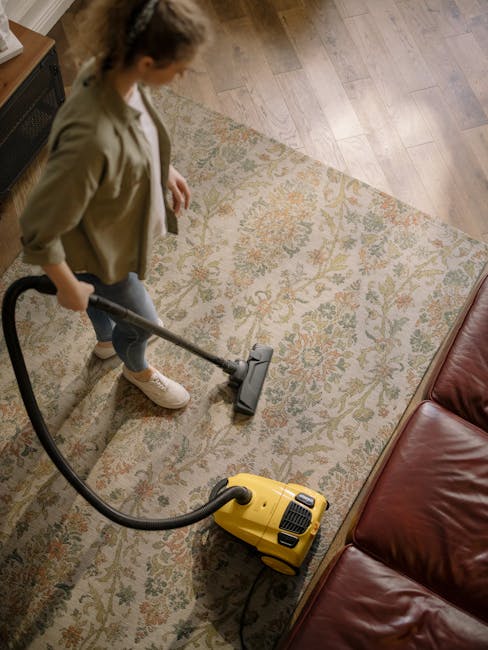
Most DIY carpet cleaning methods use a simple idea: loosen dirt with water and detergent, then remove the dirty liquid again. Steam-style machines, sometimes called carpet washers, spray solution into the fibres and then extract it. In theory, that should lift soil, spots, and odours. In practice, the success depends on the balance between cleaning power and moisture removal.
Here's where it often goes wrong:
- Too much solution: The carpet gets saturated and takes too long to dry.
- Too little extraction: Dirt and detergent stay behind, which can cause resoiling.
- Wrong product: Some detergents are too foamy or not suited to the fibre type.
- Rushing the job: Missed passes and uneven overlap leave stripes, patches, or a patchy finish.
- Ignoring fibre type: Wool, blends, and synthetic carpets all behave differently.
There's also the matter of pre-treatment. A stain often needs targeted spot work before the machine starts. Without that step, people tend to scrub harder and use more water, which can spread the stain instead of removing it. You know the feeling: you think it's improving, then somehow it's larger. Annoying, and very common.
In homes with pets, the issue can be more stubborn. If you're dealing with urine or lingering pet smells, it's easy to mask the scent briefly and miss the source. That's where a dedicated approach like pet stain odour removal can be more appropriate than a standard DIY wash.
Key benefits and practical advantages
To be fair, DIY carpet cleaning does have real upsides when it's done carefully and on the right carpet. The biggest benefit is control. You can choose the timing, focus on the worst spots, and freshen an area without booking a full service. For light soil and a small spill, that can be perfectly sensible.
Done well, DIY carpet cleaning may:
- freshen high-traffic areas between professional cleans
- help with small food or drink spills before they settle
- reduce surface dust and visible grime
- buy you time before a more thorough clean is needed
- support regular home maintenance in busy family properties
The key phrase is done well. A quick pass with the machine is not the same as a deep, balanced clean. That's especially true in properties with older carpets, mixed fibres, or delicate dyes. If you're cleaning an upholstered chair, hallway rug, or sofa as part of the same job, it may also be better to use the correct service for each item rather than treating everything as one material. For instance, rug cleaning and sofa cleaning involve different fabric and drying considerations.
Practical takeaway: DIY carpet cleaning is best viewed as maintenance, not rescue work. Once the carpet is already badly stained, over-wet, or odorous, the margin for error gets very small.
Who this is for and when it makes sense
This topic matters most if you've already cleaned your carpet yourself and something looks off. That might be a homeowner in Harrow trying to get rid of muddy footprints after a wet week, a tenant hoping to avoid a checkout issue, or a landlord checking a flat after move-out. It also matters if you're planning a DIY clean and want to avoid the classic mistakes before they happen.
DIY carpet cleaning makes the most sense when:
- the carpet is lightly to moderately soiled
- the stain is fresh, not set in
- the material is synthetic and fairly robust
- you can allow plenty of drying time
- you're dealing with a small area rather than a whole house
It makes less sense when the carpet is old, fragile, wool-rich, heavily stained, or already has a sour smell from previous spills. It also becomes less practical when you're cleaning as part of a move, renovation, or tenancy deadline. In those cases, professional carpet care or a broader service such as move out cleaning or house cleaning can save time and avoid repeat work.
If you're on the fence, ask yourself one honest question: do you need the carpet to look a bit better, or do you need it to look genuinely presentable under scrutiny? Those are not always the same thing.
Step-by-step guidance after a DIY clean
If the clean has already happened and the results are disappointing, don't panic. The next steps depend on the symptom. Here's a simple way to tackle it.
- Assess the damage first. Check whether the issue is wetness, residue, staining, matting, odour, or a combination. A wet-looking patch is not always a stain.
- Improve airflow immediately. Open windows where possible, use fans, and keep the room ventilated. Drying matters more than people think.
- Blot, don't scrub. If the carpet is still damp and you see a fresh mark reappearing, blot with clean white towels. Scrubbing can rough up the pile.
- Rinse lightly if residue is present. If the carpet feels sticky or crunchy, there may be detergent left behind. A very light rinse can help, but don't soak it again.
- Lift the pile once it starts drying. Use a soft brush or carpet rake gently. This helps prevent flat, matted areas.
- Let the carpet dry fully before judging it. Some marks only become visible as the fibres dry unevenly.
- Call for help if the problem worsens. If odour, browning, or shrinkage appears, stop adding water and get advice quickly.
One small but useful trick: place a dry towel under your palm and press down to test moisture. If it comes up damp hours later, the carpet is still holding too much water. That's the sort of thing people miss on a Saturday afternoon when they've already cleaned half the landing and are feeling pretty done with it.
Expert tips for better results
Professional cleaners tend to think about carpets in layers: fibre, soil type, stain type, moisture level, and drying control. That mindset is useful even for DIY work.
1. Use less liquid than you think you need
Most DIY trouble starts with over-wetting. A carpet should be damp enough to clean, not soaked through to the backing. If the machine is laying down a lot of solution, take smaller passes and extract more slowly.
2. Pre-test any chemical
Before using a spot cleaner across a whole patch, test a hidden corner. Dyes, finishes, and older fibres can react oddly. Better to spot a problem in a cupboard-side corner than in the centre of the lounge.
3. Work from the outside of a stain inward
This helps stop the mark spreading. Many people attack the centre first and end up pushing the stain wider. Happens all the time.
4. Plan for drying time, not just cleaning time
In a typical Harrow home, the drying window may be the real bottleneck, especially in colder months. If the room is chilly or poorly ventilated, allow extra time and keep the carpet free from foot traffic.
5. Know when the carpet needs a different approach
If the issue is a mattress, sofa, curtain, or rug rather than wall-to-wall carpet, use the right method for that item. For example, mattress cleaning needs a more careful moisture strategy, while upholstery cleaning relies on fabric-specific handling.
And yes, sometimes the best tip is simply not to keep going once you've reached the limit of what DIY can sensibly fix. That is a skill, too.
Common mistakes to avoid
This is where most of the avoidable damage happens. A few small errors can turn a decent carpet into a frustrating project.
- Using too much detergent: More foam does not mean more cleaning. It often means residue.
- Using the wrong brush: Hard scrubbing can distort the pile and make the surface look tired.
- Cleaning a stain without identifying it: Protein stains, grease, mud, and drinks all need different handling.
- Not extracting enough moisture: This can lead to sour smells, wicking, or even backing issues.
- Cleaning a carpet too soon after a spill: Some marks need pre-treatment and patience rather than immediate heavy washing.
- Ignoring the weather and room conditions: A damp, closed-up room slows drying and can make things worse.
- Overlooking nearby surfaces: If the room contains curtains, sofas, or hard flooring, overspray and runoff can create new problems elsewhere.
Wicking is worth a special mention. That's when soil from deeper in the carpet rises to the surface as it dries. It can look like the stain has come back, but in reality the dirt was never fully removed from below. Very common after a rushed DIY job.
Sometimes the answer is not more cleaning, but a proper reset. If the carpet has become matted or blotchy, a professional follow-up can often do more than another round of household chemicals. In some homes, especially where the whole property needs attention, it makes sense to compare the issue with a broader service like regular cleaning or one-off cleaning.
Tools, resources and recommendations
You do not need a warehouse of kit, but the right tools make a big difference. A small, well-chosen set is better than a cupboard full of half-used bottles.
| Tool or item | Why it helps | What to watch for |
|---|---|---|
| Microfibre cloths | Good for blotting and lifting surface moisture | Use white or colour-fast cloths to avoid dye transfer |
| Soft carpet brush | Helps lift fibres and loosen light soil | Avoid aggressive scrubbing on delicate carpets |
| Wet vacuum or carpet machine | Useful for extraction and rinse removal | Too much water is still a problem if extraction is weak |
| Fan or air mover | Speeds drying and helps reduce odour risk | Keep it positioned safely and away from water |
| Spot cleaner suited to carpet fibres | Helps treat specific stains before full cleaning | Always test first, especially on wool or older carpet |
If you live in a busy household, it can help to combine carpet work with a wider cleaning plan. A room that includes muddy shoes, pet traffic, and soft furnishings may benefit from both domestic cleaning and targeted fabric care. If the issue relates to business premises, commercial carpet cleaning may be the more appropriate route than a DIY machine hired for an evening.
One practical recommendation: keep an eye on the carpet under natural daylight in the morning. Artificial light can hide residue and patchiness. Morning light, a cuppa, and a second look usually tell the truth.
Law, compliance, standards and best practice
For most homeowners, the main concern is not legal compliance in a strict sense. Still, if you are cleaning as a landlord, managing communal spaces, or handling a workplace, you need to be mindful of basic safety and reasonable care. In the UK, good practice usually means using products correctly, keeping walkways safe, allowing surfaces to dry, and not creating slip risks or damage to fixtures.
If cleaning products are used in a shared property, be careful about ventilation and access. In flats or communal areas, wet carpet can create a hazard if people are expected to walk through the space too soon. That's one reason a service such as communal area cleaning is usually planned around use patterns rather than squeezed into a quiet hour and hoped for the best.
Safety matters too. Follow the manufacturer's instructions on any chemical, use gloves if needed, and avoid mixing cleaners. If you are unsure about a product, stop and check. No carpet is worth a throat sting or a weird chemical smell drifting through the house for two days.
For customers who prefer transparency around business practices, policies such as health and safety policy, insurance and safety, and terms and conditions are useful references when choosing a provider. They do not fix a DIY mistake, of course, but they do help you understand what a careful, professional approach should look like.
Options, methods and comparison table
If you're trying to decide what to do next after a DIY clean has gone sideways, it helps to compare the main options honestly.
| Method | Best for | Main risk | When to choose it |
|---|---|---|---|
| Light DIY spot cleaning | Fresh, small stains on sturdy carpet | Spreading the stain or leaving residue | When the problem is minor and localised |
| Full DIY machine clean | General refresh of moderately dirty carpet | Over-wetting and slow drying | When you have time, ventilation, and a suitable carpet |
| Targeted stain treatment | Specific marks such as food, drinks, or pet spots | Wrong chemical choice | When one stain is the main issue |
| Professional carpet cleaning | Heavier soil, odour, rental checks, delicate fabrics | Usually lower risk if handled properly | When DIY hasn't worked or the carpet needs a proper reset |
If the carpet has already picked up a lot of traffic dirt, or if the room is part of a wider refresh, it may make sense to compare carpet-only work with services like carpet cleaning or steam carpet cleaning. For tough spots, a separate stain removal approach may be more effective than a general wash.
Case study or real-world example
A typical Harrow scenario goes like this. A family cleans the sitting room carpet on a Friday evening after a muddy week. They use a rental machine, apply a generous amount of detergent, and go over one area several times because the entrance mark looks stubborn. At first, the carpet looks brighter. By Saturday morning, there's a damp smell, the cleaned patch feels slightly stiff, and a brownish edge has appeared around the original stain.
What likely happened? A mix of residue, uneven extraction, and wicking. The deeper soil moved upward as the carpet dried, and the extra detergent made the pile cling to dirt more quickly. A better fix would have been light rinsing, stronger drying airflow, and a careful reassessment after full drying. Sometimes a pro can still recover that situation, but it's much easier when the issue is caught early.
Another common local example is a rental flat where a tenant cleans just before checkout. The carpet looks decent in one room, but the hallway shows track marks once the light changes in the afternoon. That isn't always a "dirty carpet" problem. It can be cleaning pattern overlap, uneven pile direction, or residue. Little details, but they matter.
Practical checklist
Use this checklist after any DIY carpet clean. It's simple, but it catches a lot.
- Have you identified the stain or soil type before cleaning?
- Did you test the product in a hidden area first?
- Did you avoid soaking the carpet backing?
- Have you extracted as much moisture as possible?
- Is the room well ventilated?
- Does the carpet feel sticky, crunchy, or unusually stiff?
- Are there any signs of browning, spreading marks, or strong odour?
- Have you checked the carpet again after it fully dried?
- Is the issue beyond what a second light clean should reasonably fix?
If you can tick most of those boxes, you're probably in good shape. If not, pause before adding more liquid. That one decision can save a lot of hassle.
Conclusion
The common problems after DIY carpet cleaning in Harrow are usually not mysterious. They come down to over-wetting, residue, poor extraction, the wrong cleaning method, or simply asking too much of a carpet that needed a gentler hand. Once you know the warning signs, it becomes much easier to spot the difference between a minor drying issue and a job that needs proper attention.
Best of all, most of the damage is avoidable next time. Work with less moisture, test products carefully, give the carpet time to dry, and be honest about when the job is bigger than a DIY clean. That's not failure. It's just sensible.
If your carpet still looks patchy, smells damp, or keeps bringing the stain back, the safest next step is usually to get a professional opinion before the issue settles deeper into the fibres.
Get a free quote today and see how much you can save.
Frequently Asked Questions
Why does my carpet look worse after DIY cleaning?
This usually happens because detergent residue, over-wetting, or wicking has made the stain more visible after drying. It can look alarming, but it's a very common DIY result.
How long should a carpet take to dry after cleaning?
Drying time depends on ventilation, carpet thickness, room temperature, and how much water was used. If it is still damp after many hours, that is a sign too much liquid may have been applied.
What is wicking in carpet cleaning?
Wicking is when dirt from deeper in the carpet rises to the surface as the carpet dries. The stain may appear to return even though the top layer was cleaned.
Can too much carpet cleaner cause stains?
Yes. Excess cleaner can leave residue that attracts new dirt or creates patchy, dull areas once dry. More product is not better, honest.
Why does my carpet smell after I cleaned it myself?
A damp or sour smell often means the carpet did not dry fully, or moisture has reached deeper layers. It can also happen if residue remains in the fibres.
Should I re-clean a carpet if the stain comes back?
Sometimes, but not automatically. If the stain returns because of wicking, more water may make it worse. Light extraction and drying are often a better first step.
Are DIY carpet cleaners safe for wool carpets?
Not always. Wool is more sensitive to water, chemicals, and agitation than many synthetic carpets. Always check the fibre type and test carefully first.
What should I do if my carpet feels sticky after cleaning?
Sticky fibres often mean detergent residue is left behind. A light rinse and stronger extraction may help, but avoid soaking the area again.
Can DIY cleaning damage a rental carpet before checkout?
Yes, especially if it causes shrinkage, browning, or visible patchiness. If the carpet has to look presentable for a tenancy check, caution is wise.
When should I stop DIY and call a professional?
If there is strong odour, persistent browning, a large stain, visible fibre distortion, or the carpet is still damp for too long, it is usually time to stop and get help.
Is steam carpet cleaning better than renting a machine?
It depends on the carpet condition and the operator's skill. The machine is only part of the story; extraction, fibre knowledge, and drying control matter just as much.
What if the problem is not the carpet but nearby fabric or flooring?
That happens a lot. Overspray or runoff can affect sofas, rugs, curtains, or hard floors nearby. In that case, the right follow-up may involve curtain cleaning, hard floor cleaning, or another targeted service rather than another carpet wash.
If you want to avoid the same mistakes twice, start with the carpet's fibre, keep the moisture under control, and give it time. A careful clean beats a rushed one every time.