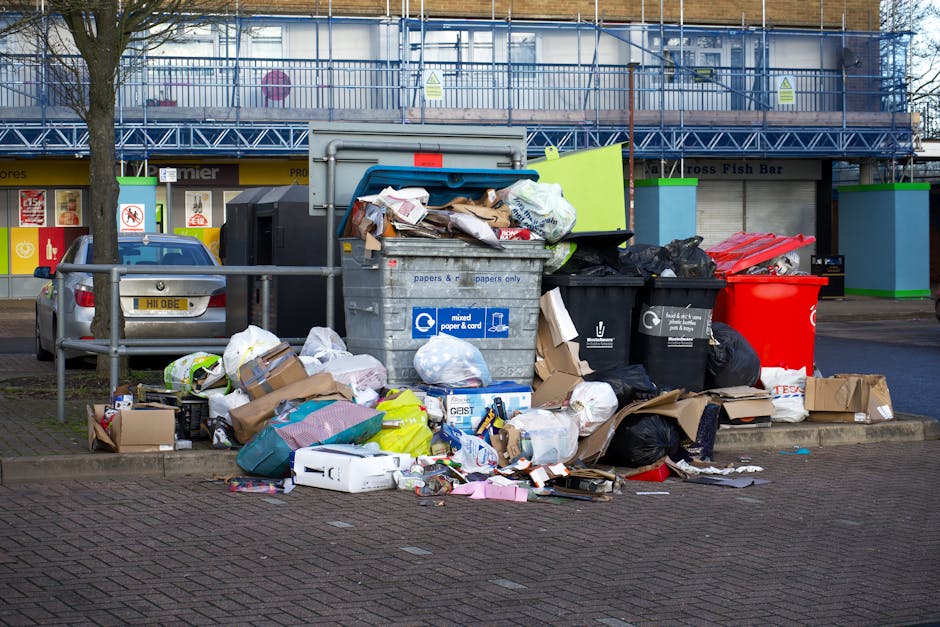
Harrow Council rules for carpet cleaning and waste disposal: what residents, landlords, and cleaners should know
If you are trying to work out Harrow Council rules for carpet cleaning and waste disposal, you are probably juggling a few things at once: getting carpets properly cleaned, avoiding a mess, and making sure nothing ends up disposed of in the wrong way. Truth be told, that is where people often get caught out. Carpet cleaning itself is usually straightforward, but the waste it creates - dirty water, removed fibres, packaging, old underlay, even a carpet you are replacing - needs a bit more care.
This guide walks through the practical side of the issue in plain English. You will see how the rules are normally interpreted, what good practice looks like in a Harrow home or rental property, and how to avoid the common mistakes that lead to blocked drains, fly-tipping risks, or awkward conversations with a landlord or managing agent. If you are also looking at a full property clean, it may help to compare it with deep cleaning, end of tenancy cleaning, or even a broader house clearance if you are dealing with bulky waste too.
One important note up front: councils can change operational guidance, collection rules, and waste acceptance arrangements. So the safest approach is to understand the principles first, then check the current local position before you book a job or dispose of anything unusual. That keeps things tidy. Literally.
Why Harrow Council rules for carpet cleaning and waste disposal Matters
Carpet cleaning creates two separate issues: the cleaning process and the waste stream. People tend to focus on the first and forget the second. Yet the waste side is where avoidable problems appear: wastewater poured into the wrong place, packaging left in communal bins, old carpet rolled up and abandoned, or leftover products stored badly in a shared hallway.
In a dense borough like Harrow, those small mistakes can have bigger consequences. Flats share drainage, bin stores can fill quickly, and landlords or managing agents often expect residents to leave communal spaces spotless. If you are moving out, booking move out cleaning or move in cleaning can help keep the process orderly, but even then you still need to think about how the waste is handled.
Why does this matter so much? Because carpet cleaning waste is not just "rubbish." Some of it is general household waste, some can be recycled or taken to a reuse stream, and some may need careful disposal depending on what chemicals, absorbents, or contaminated materials are involved. If a pet accident is involved, for example, the residues are different from a simple dust-and-water extraction. That is where a specialist service such as pet stain odour removal or targeted stain removal can be a more sensible route than trying to solve it with a bucket and hope.
A good rule of thumb: clean the carpet without creating a new waste problem. If waste leaves the property, it should leave in the right form, in the right container, and by the right route.
How Harrow Council rules for carpet cleaning and waste disposal Works
The basic idea is simple. Carpet cleaning generates material that needs managing responsibly, and waste disposal must follow normal UK household and commercial waste expectations. In practice, that means you should separate what can go down a sink, what must go in a bin, what needs special handling, and what should be taken away by a licensed waste carrier if you are dealing with larger volumes.
For a standard residential clean, the main waste categories are usually:
- Wastewater from hot water extraction or steam cleaning.
- Soil and debris removed from the carpet fibres.
- Used cloths, pads, or filters.
- Packaging from cleaning products or protective materials.
- Old carpet, underlay, or grippers if a replacement is part of the job.
Wastewater is the bit people ask about most. In many ordinary domestic situations, small amounts of dirty water are handled carefully and disposed of in line with household drainage rules, but you should never assume that every liquid can just go anywhere. If the water contains strong chemicals, heavy contamination, grease, or unusual substances, a more cautious approach is needed. Let's face it, nobody wants to create a blockage or accidentally push contaminated liquid into a drain that was never meant for it.
When a full carpet is being removed, disposal is usually much more straightforward if you plan ahead. A clean, dry rolled carpet can often be handled as bulky waste or taken to a suitable waste facility, but a soaked, mouldy, or contaminated carpet may require additional care. If you are dealing with a bigger clearance, the workflow often overlaps with house clearance or a more general one-off cleaning service.
Commercial premises have a separate layer of responsibility. Offices, shops, and managed buildings often need more formal waste controls, particularly if staff or contractors are cleaning on site. For those situations, it makes sense to think in terms of office cleaning or commercial cleaning, where the waste trail is part of the job rather than an afterthought.
Key Benefits and Practical Advantages
Following the right approach is not just about avoiding trouble. It makes the job cleaner, faster, and less stressful. You can usually tell when a property has had a rushed clean: damp patches near the skirting, a faint chemical smell by the door, soggy packaging left in the kitchen, or a carpet that still feels tacky underfoot at 8 o'clock the next morning. Not ideal.
Here are the main practical benefits:
- Less risk of drainage issues from improper disposal of wastewater.
- Cleaner communal areas in flats, HMOs, and shared buildings.
- Better results from the clean itself because waste and moisture are managed properly.
- Lower chance of disputes with landlords, agents, or neighbours.
- Improved sustainability when reusable or recyclable materials are separated sensibly.
- Safer handling of detergents, protectors, and contaminated textiles.
If sustainability matters to you - and in Harrow it increasingly does, in everyday practical terms - then it is worth looking at how a provider approaches waste and reuse. A business with a clear recycling and sustainability approach is usually thinking more carefully about disposal, packaging, and material use overall. That is rarely a bad sign.
There is another advantage too: good waste discipline protects the property itself. Wet waste left in the wrong place can stain hard floors, damage hallway paintwork, or create odours that linger for days. If the job includes adjacent surfaces, you may also want to coordinate with hard floor cleaning or upholstery cleaning so the whole space finishes properly rather than in bits.
Who This Is For and When It Makes Sense
This topic matters to more people than you might think. If you rent, own, manage, let, or clean property in Harrow, there is a good chance you will deal with some version of it.
- Tenants who need to leave a flat clean without breaching waste rules.
- Landlords who want carpets cleaned between lets and waste removed correctly.
- Homeowners replacing old carpets, underlay, or stain-damaged sections.
- Property managers overseeing communal entrances, stairwells, or shared halls.
- Businesses cleaning offices, reception areas, and waiting rooms.
- Families with pets or children dealing with spills, odours, and recurring stains.
It also makes sense if you are choosing between a quick tidy-up and a more thorough service. For example, a busy family in a semi-detached house might only need routine care plus occasional spot removal. A student flat before handover might need a more structured end of tenancy cleaning package. An Airbnb host, meanwhile, may need fast turnaround and a reliable process for waste and supplies, which is where airbnb cleaning becomes relevant.
And yes, timing matters. If you are arranging cleaning before keys are handed over, or before a viewing, or before a family visit, it is much easier to deal with waste when the property is still empty. Once furniture comes back in, everything gets more awkward. As ever, the furniture is the boss.
Step-by-Step Guidance
If you want a practical way to handle carpet cleaning and waste disposal in Harrow, use this sequence. It keeps the process controlled and avoids the classic "we'll sort it later" trap.
- Identify the type of clean. Is it a light refresh, a deep extraction, a stain treatment, or a full replacement job? The answer changes the waste you will create.
- Check what waste will be produced. Think wastewater, disposable cloths, packaging, removed carpet sections, underlay, and any damaged trim.
- Separate reusable from disposable materials. A carpet sample, packaging box, or clean protector may not need to go in the same pile as contaminated waste.
- Protect the route out of the property. Lay down covers if you are carrying rolled carpet, dirty bags, or wet equipment through hallways.
- Manage wastewater carefully. Use only an appropriate disposal method for the liquid you have actually created. Do not treat every dirty bucket the same way.
- Bag and label waste sensibly. This is especially useful for landlords, cleaners, and anyone sharing bins.
- Arrange bulky waste removal if needed. Old carpet and underlay are not normal bin bag items. They need proper planning.
- Finish with a final inspection. Check floors, skirting, drains, entrances, and communal touchpoints. A quick five-minute check can save a headache later.
For most households, the easiest route is a combined clean and planned disposal rather than trying to improvise. If you are dealing with multiple rooms, you may want to pair the carpet work with domestic cleaning or even house cleaning so the rest of the property is ready as well.
Expert Tips for Better Results
There are a few small things that make a surprisingly big difference. None of them are flashy, which is probably why they get skipped.
First, dry extraction is your friend before wet cleaning. Vacuum thoroughly before any wash. That reduces sludge in the wastewater and makes disposal cleaner. A carpet that has not been properly vacuumed often releases more dirt than people expect. You hear it in the machine, that low gritty sound, and suddenly the bucket fills faster than planned.
Second, treat stains before full extraction. A targeted approach means less chemical load in the waste stream. Services such as pet stain odour removal, stain removal, or steam carpet cleaning can be matched to the type of contamination rather than blasting everything the same way.
Third, think about the building type. In a top-floor flat, water handling and waste movement are more delicate than in a ground-floor house. If you are cleaning shared circulation spaces, communal area cleaning needs especially tidy waste control because other residents have to walk past it. Nobody wants a wet bag beside the lift at 7 a.m. on a Tuesday.
Fourth, ask what happens to old materials. If you are replacing carpet, ask whether the underlay, offcuts, and packaging will be removed together. A good provider should be able to explain this without fuss. If they cannot, that is a small warning sign.
Fifth, keep proof of what was done. Photos, receipts, and a short note on disposal are useful if you need to reassure a landlord, managing agent, or building manager later on. Not glamorous, but useful.
Common Mistakes to Avoid
Most problems come from rushing. Here are the mistakes we see most often in practice.
- Pouring dirty water into the nearest drain without checking first. Sometimes that is fine; sometimes it is not. Blanket habits are risky.
- Mixing general waste with bulky carpet waste. This makes disposal awkward and can lead to overflow in shared bins.
- Leaving wet carpets in hallways or stairwells. That creates odour, slip risk, and a bit of neighbour irritation. Fair enough, really.
- Ignoring packaging and chemical containers. Empty does not always mean harmless.
- Using too much detergent. More foam does not equal more clean. It often means more residue and more rinsing.
- Assuming every stain can be treated the same way. Grease, pet urine, drink spills, and builder's dust all behave differently.
- Forgetting about adjacent surfaces. Wet shoes, dripping hoses, and moving equipment can damage floors, carpets, and walls outside the room being cleaned.
One more subtle mistake: treating a replacement job as if it were only a cleaning job. If the carpet is beyond rescue, move the conversation toward disposal, collection, and replacement planning early on. That is often the point where after builders cleaning or more intensive deep cleaning becomes useful, because the property may need a full reset rather than just spot treatment.
Tools, Resources and Recommendations
You do not need a van full of specialist equipment to get the basics right. But a few tools make the job safer and more compliant with local expectations.
- Good vacuum cleaner for pre-clean debris removal.
- Absorbent cloths and pads for spills and drips.
- Heavy-duty waste sacks for packaging and contaminated soft waste.
- Protective gloves when handling dirty carpet, chemicals, or waste water.
- Transport covers or sheets for moving bulky items through shared spaces.
- Air movement or drying equipment if the carpet remains damp after cleaning.
If you want to compare service options before booking, the pricing page at pricing and quotes is a sensible place to start. It helps you separate a basic clean from a more involved job that includes stain treatment, odour work, or removal of old materials.
For reassurance around operational standards, insurance, and professional handling, it is also worth reading the company's pages on insurance and safety, health and safety policy, and terms and conditions. Those pages do not replace local rules, of course, but they do give you a clearer picture of how the provider works.
Small practical recommendation: keep a separate bag or box for carpet-related waste. Once you mix it into a kitchen bin with food waste and random packaging, everything becomes harder to manage. Not impossible, just messier. And life is messy enough already.
Law, Compliance, Standards, or Best Practice
Because this topic touches waste and sanitation, it helps to be cautious. I will keep this plain: you should follow the normal UK waste-duty mindset, handle waste responsibly, and avoid disposing of anything in a way that could create pollution, obstruction, or nuisance. Where a job involves larger quantities of waste, commercial premises, or unusual contamination, using a proper waste collection route is the safer option.
In practice, that means:
- do not dump carpet waste in unauthorised places;
- do not pour contaminated liquids where they could cause damage;
- keep hazardous or unknown substances separate;
- use suitable waste carriers or collection methods for bulky materials;
- respect building rules for shared bins, hallways, and external storage areas.
For rented homes and managed blocks, there is also a simple best-practice principle: leave the property and any shared areas in a condition that would not annoy the next person walking through. That sounds basic, but it is the standard most disputes come back to.
If you are a landlord or letting agent, make this part of your routine by pairing carpet cleaning with end of tenancy cleaning or, where needed, move in cleaning. That way, cleaning and waste are dealt with together instead of as separate headaches.
Options, Methods, or Comparison Table
Different situations call for different methods. Here is a simple comparison to help you decide what makes the most sense.
| Method | Best for | Waste impact | Notes |
|---|---|---|---|
| Vacuum and spot clean | Light domestic maintenance | Low | Good for regular upkeep; minimal waste if done well. |
| Hot water extraction / steam cleaning | Deeper dirt, traffic lanes, family homes | Moderate | Creates wastewater that needs sensible handling. |
| Targeted stain or odour treatment | Pet accidents, food spills, marked areas | Low to moderate | Often reduces the need for aggressive full-room washing. |
| Carpet removal and disposal | Old, damaged, or replacement carpets | High | Usually needs bulky waste planning or collection. |
| Whole-property clean with clearance | End of tenancy, probate, major resets | High | Often overlaps with broader clearing and waste handling. |
If you are unsure where your job sits, look at the outcome you need rather than the method you are tempted to use. A quiet family home with two stained rooms is a different beast from an office with worn corridor carpet and repeat footfall all day long. That is where commercial carpet cleaning or rug cleaning may be the better fit depending on the material.
Case Study or Real-World Example
Imagine a small Harrow flat at the end of a tenancy. The tenant has one living room carpet with drink stains, a hallway runner that has trapped years of dust, and a bedroom carpet that is still usable but smells faintly musty after a winter leak. Nothing dramatic, just enough to be annoying.
The sensible approach is to separate the work. The living room and hallway might get a professional clean, while the bedroom needs odour treatment and a longer drying period. Any packaging from products, used cloths, and vacuum waste can be bagged separately. If there is a damaged carpet section or old underlay to remove, that becomes a bulky disposal issue rather than a cleaning issue. Keeping those streams separate makes the end result much easier to manage.
In this kind of job, a cleaner may also recommend adjacent services such as sofa cleaning or mattress cleaning if the property smells stale or if soft furnishings have absorbed the same spill history. It is a bit like tuning a small engine: one part may be the headline issue, but a few surrounding bits need attention too.
The main lesson? Do not treat disposal as an afterthought. Once the waste plan is clear, the cleaning itself tends to go smoother, and the property feels finished rather than half-done.
Practical Checklist
Use this checklist before, during, and after cleaning. It keeps things tidy and saves time later.
- Identify whether the job is cleaning only or cleaning plus removal.
- Check if any carpets, underlay, or packaging need bulky waste handling.
- Confirm how wastewater will be dealt with safely.
- Protect hallways, lifts, and entrance routes if you are moving materials through shared areas.
- Separate reusable items from contaminated waste.
- Use gloves and suitable bags for dirty materials.
- Allow enough drying time before furniture goes back.
- Inspect for leftover residue, dampness, or odour.
- Keep photos or notes if the job relates to a tenancy or managed building.
- Use a proper clearance route for bulky carpet waste rather than overfilling bins.
That list looks simple because, honestly, the best systems usually are.
Get a free quote today and see how much you can save.
Conclusion
The core message is straightforward: Harrow Council rules for carpet cleaning and waste disposal are best handled by thinking about both the clean and the waste it produces. Do that well, and you reduce mess, avoid unnecessary risk, and make life easier for everyone involved - tenants, landlords, neighbours, and cleaners alike.
If you remember only one thing, make it this: the right disposal choice depends on the type of waste, the quantity, and the setting. A small domestic clean is not the same as a carpet removal job in a shared block, and a pet stain is not the same as builder's dust. Little distinctions, big difference.
Handled properly, carpet cleaning is one of those jobs that leaves a property feeling calmer, fresher, and just a bit more lived-in in the best possible way. And that is a good place to end, really.
Frequently Asked Questions
Can I pour carpet cleaning water down the sink or toilet?
Sometimes small amounts of relatively clean wastewater may be handled that way in domestic settings, but you should be careful. If the water contains strong chemicals, heavy debris, or unusual contamination, do not assume it is fine. The safest approach is to assess what is actually in the water first.
What should I do with an old carpet I have removed?
Old carpet is usually treated as bulky waste rather than normal household rubbish. Roll it securely, keep it dry if possible, and use an appropriate collection or disposal route. If the carpet is damp, mouldy, or heavily contaminated, it may need extra caution.
Is steam cleaning the same as waste disposal compliance?
No. Steam cleaning is just the cleaning method. Compliance depends on how you handle the wastewater, the packaging, the used cloths, and any removed materials. The method and the disposal step are related, but they are not the same thing.
Do tenants have to remove carpet waste themselves when moving out?
That depends on the tenancy terms and who agreed to handle the work. In many cases, if a tenant removes carpet or creates bulky waste, they are expected to arrange proper disposal. It is worth checking the agreement and documenting what was done.
What is the safest way to get rid of dirty cloths and pads?
Bag them separately from clean waste and make sure they are sealed properly. If they contain strong chemicals or heavy contamination, treat them more cautiously than ordinary household rubbish. It sounds obvious, but people do skip this step.
Can carpet cleaning waste go in communal bins in a flat block?
Usually only if the waste is suitable for that bin stream and the building rules allow it. Bulky carpet offcuts, soaked materials, and chemical containers often need a different route. Shared bins fill quickly, so avoid assuming they are a catch-all solution.
How long should carpets dry after cleaning?
Drying time depends on the method used, room temperature, airflow, pile depth, and humidity. In a well-ventilated room, carpets often dry faster; in a cool flat or a shaded hallway, they can take longer. Do not rush furniture back too soon if you can help it.
What if a carpet smells bad even after cleaning?
That usually means the cause of the odour has not been fully removed, or the carpet needs deeper treatment and drying. Pet accidents, old spills, and trapped moisture are common reasons. A targeted odour service can sometimes be more effective than another general wash.
Is carpet waste different in commercial properties?
Yes, often. Commercial sites may produce larger volumes, have more formal waste procedures, and need better records. Offices, reception areas, and communal buildings often benefit from planned cleaning and removal rather than ad hoc disposal.
Should I combine carpet cleaning with other cleaning jobs?
Often, yes. If the property needs a broader refresh, combining carpet cleaning with services like domestic cleaning, window cleaning, or regular cleaning can make the result feel more complete and reduce repeat disruption.
How do I know if a provider handles waste responsibly?
Ask direct questions about wastewater handling, bulky waste removal, packaging disposal, and safety procedures. A clear answer is usually a good sign. If the explanation sounds vague or defensive, that is worth noticing.
Are there any special concerns with pet stains?
Yes. Pet stains can involve odour, bacteria, and moisture that sits deeper in the pile or underlay. That is why targeted treatment matters. The waste from the clean may also need a bit more care than a standard dust-and-water job.
What is the most common mistake people make?
Trying to handle everything as one generic waste stream. Carpet cleaning waste is not all the same, and old carpet is definitely not the same as a couple of damp cloths. Separating the materials early saves time, money, and hassle later on.
Where do I start if I'm unsure about the right service?
Start with the condition of the carpet and the amount of waste involved. If it is a light refresh, a simple clean may be enough. If there are stains, odours, or removals involved, look at the relevant service pages and compare them against your needs. Small decisions first; the rest follows.